

There’s a lot of chat about networking being important for your business and career. I’m a firm believer in this, and really like getting out and networking. Years of events and learning have left me with helpful tips for practicing your pitch, goal setting, and qualifying who you’re meeting.
Practicing your Pitch
When you’re meeting anyone new, you’ve got one shot at a first impression. Yes, that was a cliche. And, it’s true. We as humans are wired to have biases, and that plays a part in establishing our opinions of people based on our first encounter.
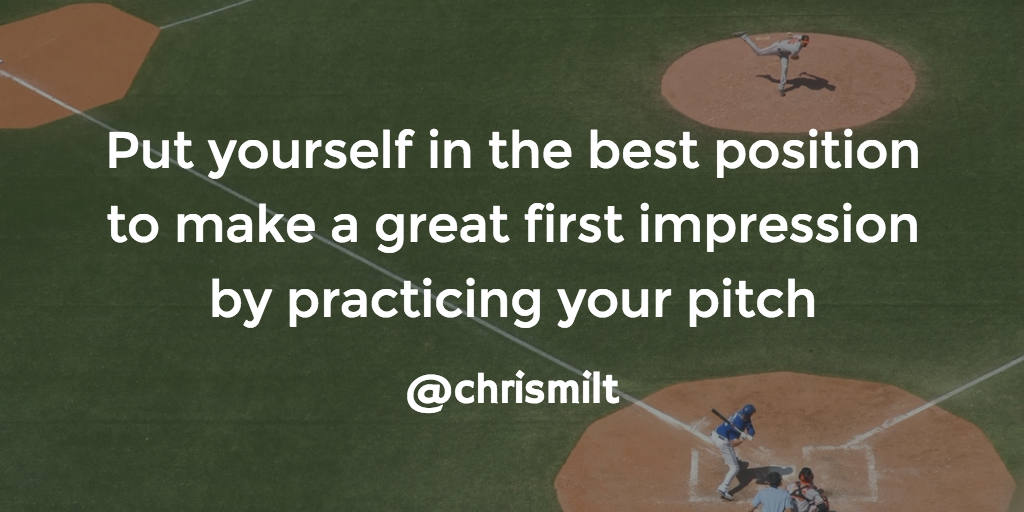
Put yourself in the best position to make a great first impression by practicing your pitch. Think of all the things you want someone to remember about you following a short introduction. Stick to one, two, or three things that you can rehearse. It’s fine to have different variations of your introduction based on who the people are, based on your goal for the event.
- Always cover the following:
- Name (for sure), title & company (optional – based on the setting)
- What you do (in context) and why it matters, or why they should care, or what makes you different
- Your purpose of being at that particular event
Be short and concise. It’s better to engage in conversation, and this initial pitch is a way for you to get there. Don’t tell too much, just enough for you to see if the other person is interested in further speaking with you.
Goal Setting When Networking
There’s one mistake I hope you never make: business card spraying! This is the opposite of building your network. I avoid events that have characters like this because I don’t want to interact with them after the event, and I purposely don’t give them my card. I know they will be calling within 48 hours with a sales pitch I’ve probably already heard…. because if it was that unique, I would have been interested during the networking event.
A good goal for any networking event is to make one new contact. I’m a quality over quantity person, and that is more valuable to me than any volume of “bad interactions” or number of business cards. Having one connection at an event is a big step to having a quality network you can count on in the future.
Set a goal for connections you’ll make or the number of people you’ll meet. Avoid getting caught giving away or leaving with too many business cards.
Qualifying who you’re meeting
Much like the business card sprayer, go into the event with a plan for the type of people you want to meet. Here are some examples:
- Individuals in a similar career situation or role as you.
- People you could connect with and share work stories.
- Ideal Customers
- Potential Mentors
- Someone who can open a potential door to an opportunity.
Each of these types of people could be hard to find, and it won’t be listed on their name tag. Yes, you’ll have to interact with them to figure out if they are who you’re looking for. Be aware of how much you’re speaking, as you want to listen to what they have to say.
The best advice could come from a potential mentor, if you’re listening. You could get amazing advice from a potential customer that you otherwise wouldn’t have access to, if you’re listening. Or, you might just find more than you’re looking for. Possibly an opportunity for a new job or partnership. Keep your ears open.
Engage with the room. The more you engage, the more you’ll get out of any networking event. Listen just as much as you speak.
Digital Networking
Now, I’m finding more value by networking online and finding communities that I want to participate in. Much like the tips above, it’s a healthy environment with like-minded people who keep the conversation valuable. There is typically a structure for sharing and promotion that keeps a good balance.
After joining the first group, I was hooked. I’ll admit it, I joined to have a place to share my blog posts, but it became a really great place to interact with other bloggers. Like everything else I do, once I like something, the snowball effect occurs… and the list has become quite long. Finding your people is easy to find and participate in the thousands of active Facebook Groups.
Audience vs. Network
The definitions are different, and I believe the main discrepancy between your audience and your network is the communication channels. Thinking of traditional performances, the audience receives the majority of the performance and gives little feedback (usually just applause at the end). The network is more like a community. There is an open two-way communication that is always available. I’m looking to build a network because I see the value in the community. I want people to benefit from more interaction, not just consuming more content.
Creating content is becoming more common, and getting your content heard is becoming much more difficult. Instead of competing with more people to get my message across, I would much prefer to have collaboration and interaction. More people involved, more people reached.
The Ask
There are a couple of things that have come up with this post that I think can be valuable to anyone reading, and if you’re interested, I’d like for you to connect.
Content Collaboration: If you have an idea for an article, want to ask a question, or have an episode idea for my upcoming podcast, I’d love to hear from you. Sometimes the best information comes out when it’s asked by someone else. I’m up for cross-promotion and really want both of us to benefit. Please email content@chrismilton.ca with your idea
Joint Ventures: I have courses and coaching packages available and I’m looking to build a team to promote it. The team will be involved in any future launches as well. All Launch Team members receive course enrolment for free, a generous affiliate commission package, and a piece of content (your choice) with me about promoting the course. I think this is a great way for us to both benefit and build our content and income. Please email jv@chrismilton.ca if you are interested.